

No Products in the Cart
FREE EXPRESS SHIPPING US ORDERS OVER $50 | COST AT CHECKOUT.
LEARN MORE FROM OUR BLOGS HERE.

FREE EXPRESS SHIPPING US ORDERS OVER $50 | COST AT CHECKOUT.
LEARN MORE FROM OUR BLOGS HERE.

Delta 8 THC has become one of the most talked-about hemp products on the market, showing up in gas stations, convenience stores, and online shops across the country. But popularity does not equal safety or legality. This guide breaks down what delta 8 actually is, how it affects your body, the real health risks backed by data, and how to reduce harm if you decide to use it.
Delta 8 THC is a psychoactive cannabis compound with a chemical structure nearly identical to delta 9 THC, differing only in the placement of a double bond. It is typically less potent and is often synthesized from hemp derived cbd through a chemical process.
Delta 8 THC products have not been approved by the FDA for safe use, and adverse events have been climbing since late 2020, including thousands of poison control calls, emergency room visits, and at least one pediatric death.
The legal status of delta 8 and other cannabinoids varies widely by U.S. state. Despite the 2018 Farm Bill creating a federal gray area, many states have restricted or outright banned delta 8 thc products. Always check current state laws before purchasing.
Delta 8 has intoxicating effects that can impair driving, coordination, and judgment. All thc products should be stored securely and kept away from children, teens, and pets.
Safer use depends on choosing lab-tested hemp products, starting with very low doses, avoiding mixing with alcohol or sedatives, and consulting a clinician if you have mental health conditions or take other medicine.
Delta 8 THC is a minor cannabinoid found naturally occurring in both hemp plants and marijuana. It is a psychoactive substance closely related to delta 9 THC - the primary intoxicating compound in cannabis. The key molecular difference lies in where a double bond sits along the carbon atoms of the cyclohexene ring: at the eighth position for delta 8, versus the ninth for delta 9. This seemingly small shift in chemical structure changes how the substance interacts with cannabinoid receptors.
Here is what makes delta 8 distinct:
Delta 8 is found in much lower concentrations than CBD in the cannabis sativa plant, typically only in trace amounts. Because of this, most commercial delta 8 thc products are made by chemically converting CBD extracted from federally legal hemp - a form of chemical synthesis.
This production process is typically manufactured through an unregulated synthetic process, using acids or catalysts to isomerize hemp derived cbd into delta 8. The chemical research behind this conversion is well-documented, but quality control across manufacturers varies enormously.
Delta 8 is one of many other cannabinoids in the cannabis plant family, alongside CBD, CBG, CBN, and delta 9 THC.
Modern commercial use of delta 8 expanded rapidly after the 2018 Farm Bill, which defined hemp as cannabis containing no more than 0.3% delta 9 THC on a dry weight basis. By 2020, delta 8 edibles, vape cartridges, and tinctures were showing up in gas stations, convenience stores, and online retailers - especially in states without regulated adult-use cannabis programs.
Despite its reputation as diet weed or "marijuana lite," delta 8 still binds to CB1 receptors in the endocannabinoid system and can produce a noticeable high with real impairing effects.
Understanding how delta 8 interacts with your body helps set realistic expectations for its potency and duration.
Delta 8 is a partial agonist at both CB1 and CB2 cannabinoid receptors in the endocannabinoid system. Its binding affinity for CB1 - the receptor most responsible for the "high" - is lower than delta 9's, typically showing roughly 50–70% of delta 9's psychoactive potency. Delta 8 THC has psychoactive effects similar to delta 9 THC, but delta 8 THC is less potent than delta 9 THC at comparable doses. Some users report that delta 8 may cause less anxiety or paranoia than delta 9, particularly at lower doses.
Once ingested or inhaled, delta 8 is metabolized in the liver by cytochrome P450 enzymes (mainly CYP2C9 and CYP3A4) into both active and inactive metabolites, which are eventually excreted in urine and feces. When taken orally - as gummies, baked goods, or capsules - delta 8 is converted into 11-hydroxy metabolites, leading to a slower onset (often 1–2 hours) but potentially stronger and longer-lasting intoxicating effects compared to inhalation.
Individual responses vary significantly based on:
Dose and consumption method
Body fat percentage and existing tolerance to other thc products
Genetics affecting liver enzyme activity
Whether combined with alcohol, prescription drugs, or other cannabinoids
People with mental health conditions, particularly those with a history of psychosis, appear more vulnerable to psychiatric side effects.
Delta 8 thc products are sold nationwide online and in physical shops in many states, often marketed alongside CBD or appearing indistinguishable from regular candy and snacks.
Common product types include:
|
Product Type |
Onset Time |
Duration |
Notes |
|---|---|---|---|
|
Gummies / edibles |
1–2 hours |
4–8+ hours |
Most popular delivery method; easy to overdose due to delayed onset |
|
Vape cartridges / pens |
2–10 minutes |
2–4 hours |
Delta 8 THC is typically consumed through vape cartridges and e-liquids |
|
Tinctures / oils |
15–45 minutes |
3–6 hours |
Common delta 8 consumption methods include vapes and tinctures |
|
Capsules |
1–2 hours |
4–8 hours |
Precise dosing but slow onset |
|
Infused beverages |
30–90 minutes |
3–6 hours |
Growing in popularity |
|
Gummies are the most popular delivery method for delta 8 THC. Delta 8 thc products are available in various forms like edibles and vapes, and they are extracted and marketed in formats designed for convenience. |
|
|
|
A serious concern: packaging and flavoring often mimic regular snacks or candy, with bright colors and brand-like graphics. This significantly increases the risk of unintentional exposure - accidental ingestion by children and pets. Unregulated delta 8 thc products may also contain variable dosages, undeclared delta 9 THC, residual solvents, or other harmful chemicals without any standardized quality control.
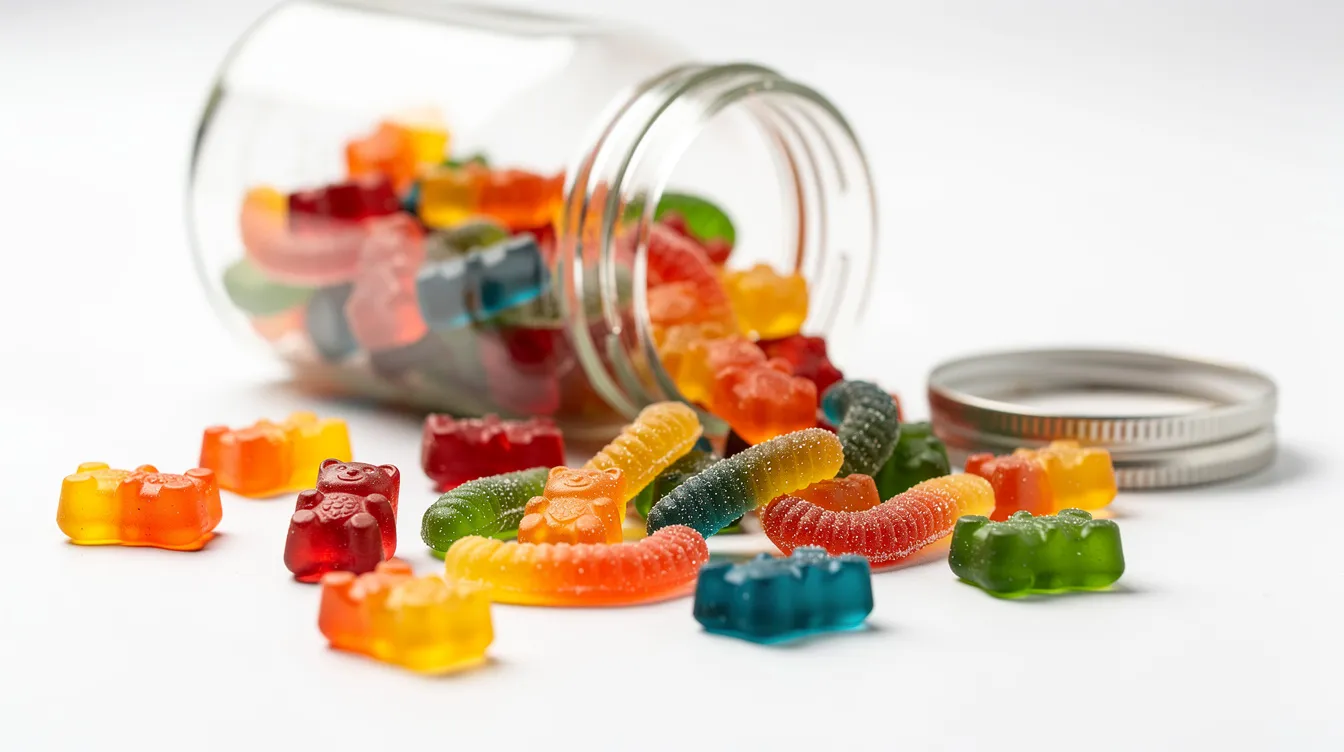
Delta 8 THC has psychoactive and intoxicating effects similar to but usually milder than those of delta 9 THC. It can impair coordination, attention, and decision-making - this is not a non psychoactive substance.
Commonly reported desired effects include relaxation, mild euphoria, appetite stimulation, and perceived stress relief. Delta 8 may help manage symptoms such as anxiety and chronic pain, though evidence is limited and no delta 8 product has been approved for any medical treatment by any regulatory body.
Negative side effects and adverse events reported to poison control centers and the FDA include:
Confusion, dizziness, and disorientation
Anxiety, panic attacks, or hallucinations - delta 8 THC can cause confusion, anxiety, and hallucinations
Rapid heart rate (tachycardia)
Vomiting and loss of consciousness
In some cases, hospitalization and critical care
Delta 8 products carry risks related to unregulated manufacturing and potential contaminants. Delta 8 thc products may contain harmful chemical contaminants from the conversion process. Marketing sometimes blurs delta 8 with CBD, but CBD is non psychoactive, unlike delta 8 THC. CBD does not cause a high and has one FDA-approved prescription form (Epidiolex) for certain seizure disorders, while delta 8 has no such approvals.
Delta 8 and other thc products may be particularly risky for teens and young adults, pregnant or breastfeeding people, individuals with psychosis risk, people in recovery from substance use disorders, and anyone needing to pass workplace drug testing.
Real-world safety data paints a concerning picture. Delta 8 thc products have not been FDA approved for safety, and the FDA issues warning letters to companies making unapproved health claims. The agency has also sent warning letters to manufacturers selling products in forms attractive to children.
Between late 2020 and early 2022, U.S. poison control centers documented 2,362 exposure cases involving delta 8 thc products. Of those, 41% involved children under 18, and 70% required evaluation at a medical facility. The FDA received 104 adverse event reports during a similar period, with 55% requiring emergency or hospital-level medical care. One pediatric death was coded.
Independent testing often finds delta 8 products exceed legal THC limits, and the chemical process of converting CBD into delta 8 can leave potentially harmful byproducts - including residual solvents and heavy metals - if not properly purified and evaluated.
Core safe use principles:
Start with a very low dose (2.5–5 mg for edibles), wait at least 4–6 hours before taking more
For inhaled forms, take a single small puff and wait 15–30 minutes
Never mix with alcohol or sedatives
Avoid driving or operating machinery for the rest of the day
Storage and household safety:
Keep all delta 8 thc products in child-resistant containers, locked and out of sight
Avoid products with candy-like packaging
Educate everyone in the household about health risks to kids and pets
When to seek medical care: Call poison control (1-800-222-1222) or emergency services for severe confusion, breathing problems, chest pain, seizures, or unresponsiveness. Do not wait for symptoms to resolve on their own, especially in children.
Delta 8's legal status is complex because federal law and state laws treat hemp-derived cannabinoids differently, and regulations continue to evolve.
At the federal level, the 2018 Farm Bill defined hemp as cannabis containing 0.3% or less delta 9 THC by dry weight. This created a gray area: delta 8 THC is federally legal under the 2018 Farm Bill in the sense that hemp derived products were broadly legalized, but the act did not specifically address intoxicating hemp products or chemical synthesis of cannabinoids from hemp.
The DEA and other agencies have issued statements questioning whether synthetically converted delta 8 from CBD qualifies as a legal hemp derivative or falls under controlled substances. A recent federal law (P.L. 119-37), set to take effect November 12, 2026, will redefine "hemp" to measure total THC (including delta 8 and THCA) and exclude chemically converted cannabinoids, which would make most delta 8 products illegal at the federal level.
Many states have restricted or banned delta 8 THC despite its legal gray area. Some states have enacted restrictions on delta 8 thc products, including age limits, testing requirements, or channeling sales through licensed dispensaries. As of 2024, 24 states have legalized recreational cannabis, and delta 9 THC legality by state continues to evolve, but delta 8 regulation does not always align with broader marijuana legalization. What is legal on Boyd St in one city may be illegal a few miles away.
Always verify the most current state and local regulations before buying, traveling with, or using delta 8 products. Penalties and enforcement vary widely.
Consumers often confuse delta 8 with both delta 9 THC and CBD. A clear comparison helps set realistic expectations.
|
Factor |
Delta 8 THC |
Delta 9 THC |
CBD |
|---|---|---|---|
|
Psychoactive? |
Yes |
Yes - more potent |
No |
|
Typical potency |
~50–70% of delta 9 |
Baseline (strongest) |
Non-intoxicating |
|
FDA-approved uses |
None |
Dronabinol (Marinol) |
Epidiolex (seizures) |
|
Anxiety/paranoia risk |
Lower at small doses |
Higher at comparable doses |
Minimal |
|
Drug test result |
Positive for THC |
Positive for THC |
Usually negative |
|
Legal complexity |
High (varies by state) |
Illegal federally; varies by state |
Generally legal from hemp |
|
Delta 9 THC is significantly stronger than delta 8 THC - users typically need 1.5 to 2 times more delta 8 by weight to approximate the same effect. However, at high concentrations or with high-potency edibles, delta 8 can produce similar risks, including psychosis, as documented by the American Chemical Society and in clinical case reports. |
|
|
|
Both delta 8 and delta 9 THC can result in a positive drug test for THC because standard assays detect shared metabolites and cannot reliably distinguish between the two. CBD, meanwhile, is a non psychoactive cannabis compound that does not produce a high and has been more extensively researched for its safety profile.
The key takeaway: unregulated delta 8 thc products carry more unknowns than well-studied CBD formulations. Neither glamorize nor demonize any cannabinoid - but recognize that the regulated production and research behind CBD is far more advanced.
Increased marketing, flavored food products, and perceived legality have contributed to rising delta 8 use among teenagers. In the 2023 Monitoring the Future survey, about 11% of U.S. 12th graders reported past-year delta 8 use, with higher rates in states without adult-use cannabis legalization or delta 8 regulation.
Adolescents face heightened health risks because their brains are still developing, making them more vulnerable to long term effects on cognition and mental health. Appealing forms - gummies, candies, colorful vapes - combined with online sales lacking robust age verification can lead to both intentional teen use and accidental poisonings in younger children.
Guidance for parents, caregivers, and educators:
Learn to recognize signs of intoxication: red eyes, impaired coordination, unusual drowsiness, confusion
Open nonjudgmental conversations about the risks of any psychoactive substance, including delta 8
Seek professional help if use may indicate broader substance-use issues
Visit your state health department's website for local resources
Other vulnerable groups - people in recovery from substance use disorders, those with anxiety or psychotic disorders, and pregnant or breastfeeding individuals - should avoid delta 8 THC. The research on long term effects in these populations remains extremely limited, and the risks clearly outweigh any perceived benefits.
No delta 8 THC use is risk-free. But if you are an adult who decides to use it, careful product selection and dosing can reduce some harms.
What to look for in higher-quality products:
Recent third-party lab reports (Certificates of Analysis) posted on the brand's website
Testing for potency, residual solvents, heavy metals, and pesticides
Clear labeling of delta 8 vs delta 9 content per serving
Transparent batch-level results, not just generic claims
What to avoid:
Products making unsubstantiated medical claims (e.g., curing cancer or replacing prescribed treatment)
Packaging marketed to resemble children's candy or snacks
Any product without a verifiable COA
A conservative dosing strategy:
Edibles: start with 2.5–5 mg, wait at least 4–6 hours before redosing
Inhaled products: begin with a single small puff, wait 15–30 minutes
Give it a little while - impatience with edibles is one of the most common causes of overconsumption
Consult a healthcare professional before using delta 8 if you take medications metabolized by CYP450 enzymes, or if you have cardiovascular, psychiatric, or neurological conditions. Delta 8 is not a regulated medicine, and interactions with other substances are not well evaluated.
Yes. Most standard workplace and legal drug tests look for THC metabolites in general - not specifically delta 9 versus delta 8. Both delta 8 and delta 9 THC can result in a positive drug test for THC. If you are subject to drug screening, using delta 8 carries the same risk of a positive result as marijuana.
"Safer" depends heavily on dose, product purity, and personal health factors. While delta 8 is less potent than delta 9, it is still intoxicating, can impair driving, and may carry additional risks when produced in unregulated settings with limited testing. Contamination from the chemical process used to convert CBD into delta 8 adds an unpredictability that regulated marijuana products in licensed dispensaries may not have.
Inhaled delta 8 effects usually start within minutes and can last 2–4 hours. Edible products can take 1–2 hours to kick in and may last 4–8 hours or longer, especially at higher doses or in new users. Body weight, tolerance, and whether you've eaten recently all play a role.
Fatal overdose from delta 8 alone appears extremely rare. However, very high doses - especially in children - can cause severe adverse events such as extreme sedation, confusion, vomiting, respiratory depression, or trouble breathing that require urgent medical care. A documented case involved two young sisters who required ICU admission after ingesting candy-like delta 8 edibles.
Traveling with delta 8 is risky. Laws differ by state and country, and transportation authorities may not distinguish between hemp-derived delta 8 and illegal thc products. After November 12, 2026, the new federal hemp definition will likely make most delta 8 products illegal at the federal level. When in doubt, do not travel with delta 8.
