

No Products in the Cart
FREE EXPRESS SHIPPING US ORDERS OVER $50 | COST AT CHECKOUT.
LEARN MORE FROM OUR BLOGS HERE.

FREE EXPRESS SHIPPING US ORDERS OVER $50 | COST AT CHECKOUT.
LEARN MORE FROM OUR BLOGS HERE.

“Super Delta 8” has become a marketing term for high-strength, boosted, or live-resin delta 8 THC formulas that gained popularity in the U.S. since around 2022. Unlike standard delta 8 products that hover around 500-700 mg per cart or 10-25 mg per gummy, these enhanced versions push the boundaries of potency—and the experience that comes with it.
These products typically come as vape carts, disposable vapes, or gummies featuring 900–2000 mg cannabinoids per unit or per package. Many brands mix delta 8 with other hemp-derived cannabinoids such as THCP, HHC, CBN, or CBG, along with strain-specific terpenes extracted from cannabis plants. The result is a stronger, more pronounced effect profile that appeals to users who have developed a high tolerance to basic hemp products.
Throughout this guide, you’ll learn how these products work, who they’re intended for, and how to use them responsibly. Whether you’re curious about upgrading from standard delta 8 or exploring the hemp cannabinoid space for the first time, understanding what makes “super” versions different will help you make smarter choices and avoid bad experiences.
There is no official “super delta 8” molecule recognized by chemists or regulators. The term is purely a label used by brands to describe extra-potent delta 8 formulas designed to deliver a more intense experience than entry-level products.
When brands use “super delta 8,” they typically mean one of three things:
Ultra-high potency delta 8 distillate: Products containing 90%+ purity delta 8 THC, far exceeding the 70-80% found in standard offerings
Delta 8 blended with booster cannabinoids: Formulas mixing delta 8 with more potent compounds like THCP (reportedly 30 times stronger than delta 9 in CB1 receptor binding) or HHC for extended, intensified effects
Delta 8 infused with live resin terpenes: Products preserving full terpene profiles from specific cannabis strains to amplify the entourage effect
A typical super delta 8 vape cart might contain 900 mg of delta 8 plus strain-specific terpenes in a 1-gram cartridge, while strong gummies may deliver 25–100 mg delta 8 per piece in jars totaling 2000 mg. Delta 8 THC products come in various forms, including gummies, vape cartridges, and tinctures, catering to different consumer preferences.
The main difference compared to delta 9 THC? Users consistently report a clearer headed experience—more focused, less cloudy—while still achieving noticeable euphoria and relaxation. Delta 8 THC is known to produce a milder psychoactive effect compared to Delta 9 THC, often described as a “clear-headed” high that can enhance focus without causing significant lethargy. Super delta 8 intensifies these baseline effects while maintaining that characteristic mental clarity that distinguishes it from traditional weed.
The super delta 8 market in 2024–2026 spans several product categories, each offering distinct advantages for different consumption preferences. Here’s what you’ll find online and in state-legal shops:
These are typically 1-gram 510-thread compatible units filled with 900-1200 mg total cannabinoids. Delta 8 vape cartridges are typically prefilled with oil and can be used with a 510 thread battery, making them widely compatible with many vaping devices. Expect:
The flavor and smell vary based on terpene profiles—myrcene-heavy indica blends deliver earthier notes, while limonene-forward sativas taste more citrus-forward.
Pre-charged devices scale up to 2-5 gram tanks with multi-cannabinoid blends. Common configurations include:
These disposables deliver a smooth, intense experience without requiring separate batteries or setup.
The most popular form factor, these gummies come in jars with 20–40 pieces at 25–100 mg per piece. Features include:
The effects of super delta 8 gummies follow a course that typically lasts several hours, making them suitable for fitting into a daily or regular routine.
Experienced users seeking fast, potent effects explore:
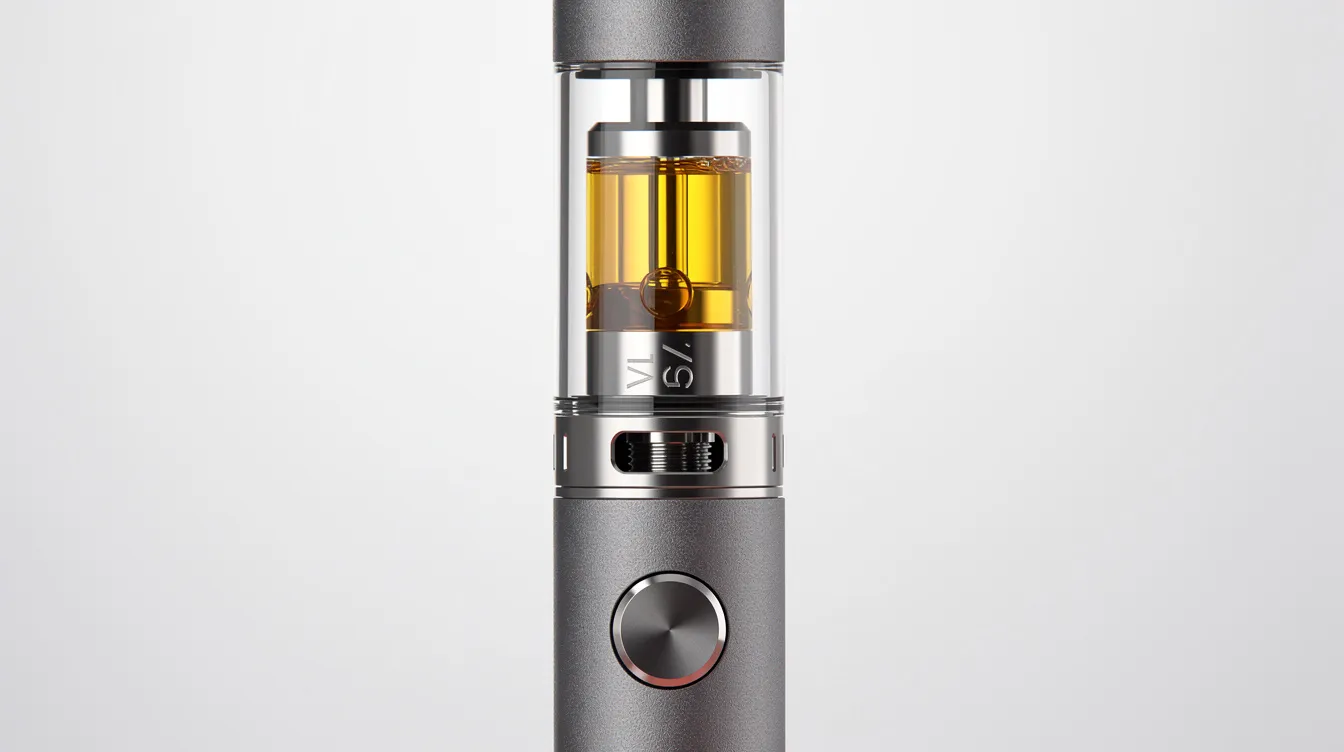
Effects vary significantly based on dose, body weight, tolerance, and the specific formula. However, super delta 8 consistently delivers stronger sedation and euphoria than entry-level hemp products. Delta-8 is psychoactive and binds directly to CB1 receptors in the brain, unlike CBD which does not bind to these receptors.
Users of Delta 8 THC report feelings of calmness, upliftment, and enhanced mental clarity, with fewer adverse side effects such as anxiety and paranoia compared to Delta 9 THC. Delta-8 is often reported to induce effects such as euphoria, relaxation, appetite stimulation, and reduced anxiety. Expect:
Preliminary studies suggest potential therapeutic uses of Delta-8 for pain management, nausea reduction, and sleep support. Delta 8 THC may provide potential benefits including neuroprotective properties, nausea elimination, appetite stimulation, chronic pain reduction, and anxiety reduction, while non-intoxicating cannabinoids like THCa for appetite stimulation may support hunger without producing a high.
At higher doses, particularly for the average user without significant tolerance, watch for:
|
Product Type |
Onset Time |
Peak Effects |
Total Duration |
|---|---|---|---|
|
Vape carts |
5-15 minutes |
First 30-60 minutes |
1-3 hours |
|
Disposables |
5-15 minutes |
First 30-60 minutes |
2-4 hours |
|
Gummies |
45-90 minutes |
About an hour after onset |
3-6 hours |
|
Tinctures |
15-30 minutes |
45-90 minutes |
2-4 hours |
New users should start with 1–2 small puffs on a cart or 5–10 mg from an edible and wait at least 1.5–2 hours before considering more. The feeling builds gradually, and overconsumption leads to uncomfortable grogginess that can persist into the next day. Keep a simple log of your dose, time, and how you feel—this helps you determine your ideal amount over multiple sessions.
The biggest risks with super delta 8 products come from untested or contaminated items, not the cannabinoid itself. Delta-8 products are largely unregulated by the FDA, leading to potential risks including harmful contaminants. The FDA has not evaluated or approved Delta-8 products for safe consumption.
When choosing Delta 8 products, it is crucial to purchase from reputable manufacturers who provide third-party lab testing results to ensure product safety and quality. Many Delta 8 products are third-party lab tested to ensure quality and safety, which is crucial for consumer trust in a rapidly evolving market.
Look for Certificates of Analysis (COAs) from accredited labs like ACS Laboratory or SC Labs, dated within the last 12–18 months. These should verify:
Industry data from 2025 analyses flags approximately 30% of online delta 8 products failing purity tests.
Delta-8 is largely synthesized from hemp-derived CBD using acid baths due to its scarcity in nature. Most Delta-8 products are made in unregulated labs, which may lead to contamination risks such as heavy metals or residual solvents.
Delta 8 products should be free from harmful additives and contaminants, such as vitamin E acetate, which has been linked to health risks in vaping products—specifically the 2019 EVALI outbreak that resulted in 68 deaths. Avoid carts containing:
The color of Delta 8 oil can indicate its quality; pure Delta 8 oil is typically clear, while darker oils may suggest oxidation or contamination, which should be avoided. When inspecting products:
Reputable brands publish batch numbers, ingredient lists, and lab reports directly on product pages. Generic or suspiciously cheap options from an unknown store usually skip this transparency.
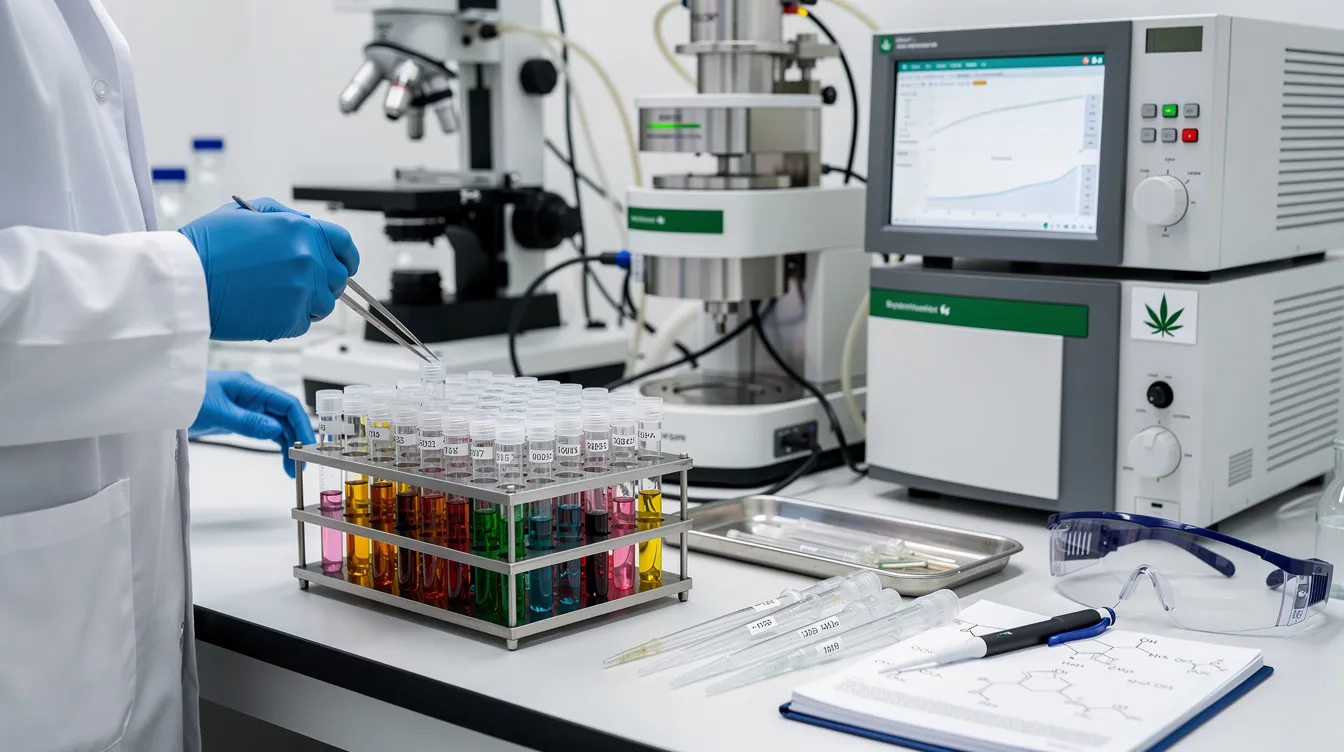
In the U.S., super delta 8 is generally hemp-derived and federally allowed under the 2018 Farm Bill. The 2018 Farm Bill legalized hemp-derived products containing less than 0.3% delta 9 THC, making delta 8 THC federally legal in the United States. Understanding delta 9 THC legality by state in 2025 can also help clarify how different jurisdictions treat intoxicating cannabinoids more broadly. Delta-8 shares a similar structure with other cannabinoids but has distinct effects and legal standing.
Despite being federally legal, delta 8 THC can still be illegal under state or local laws, with several states having banned or restricted its sale. Since 2021, more than 20 states have imposed their own rules on intoxicating hemp products. States that have banned or restricted delta 8 THC sales include Arizona, California, Colorado, Idaho, Michigan, New York, Rhode Island, and Vermont.
Before ordering online, check current regulations for your state—laws change frequently, and what was legal last year may not be legal at this moment.
It is illegal to ship delta 8 THC products via the U.S. Postal Service, although some vendors may use alternative delivery services. Many brands self-police via geofencing, refusing to ship to restricted states regardless of carrier policies. Shipping bans evolved significantly in 2024, with carriers periodically updating rules for hemp-derived intoxicants.
Law can change quickly. Review official state cannabis or agriculture department websites for current information before making purchases. The community of hemp enthusiasts often shares updates on forums, but official sources remain the most reliable.
The best product depends on your experience level, desired effects, and consumption preferences. Whether you prefer smoking, vaping, or edibles determines which form factor makes sense for your life.
Start with mid-strength options that offer clear dosing information:
If you’re looking for heavy relaxation or have a high tolerance:
|
Factor |
Entry-Level |
Advanced |
|---|---|---|
|
Cannabinoid mix |
Delta 8 only |
Delta 8 + THCP/HHC/CBN |
|
Potency per serving |
10-25 mg |
50-100 mg |
|
Terpene profile |
Basic/added |
Live resin/full-spectrum |
|
Device compatibility |
510-thread standard |
510-thread or proprietary |
Look for these signs of a trustworthy supplier:
Secret nature and production methods matter—reputable brands source from industrial hemp grown in the U.S. and use GMP-certified facilities. When you find a brand that delivers quality consistently, customers tend to remain loyal. Check prices across multiple vendors, but remember that suspiciously low deals often signal quality compromises.
I’ve been impressed by brands that prioritize education alongside sales—they understand that informed customers make better choices and have better experiences.

Most “super delta 8” products are stronger because they contain higher milligram doses per puff or serving, or they blend delta 8 with more potent cannabinoids like THCP or HHC. The underlying delta 8 molecule remains the same, but formulas marketed as “super” often feel noticeably more intense than standard 25 mg edibles or basic 1-gram carts. Users with low tolerance should treat super delta 8 as significantly more potent than typical CBD or entry-level delta 8 items—the experience can be amazing but overwhelming if you’re not prepared. This lighter high compared to delta 9 maintains clarity while delivering more pronounced effects than standard hemp flower products.
Any form of delta 8 THC, including super delta 8 products, can trigger a positive result on standard THC drug testing. Delta-8 metabolites are nearly identical to Delta-9, and using Delta-8 products may cause a failed drug test. Most employment and legal tests do not distinguish delta 8 from delta 9 metabolites—they register as generic THC use, with detection windows ranging from 4-30 days post-use depending on frequency and metabolism. Delta 8 THC is processed and accumulates in the body's biological system, and detection time can vary depending on the biological sample tested—such as urine, hair, saliva, or blood—as well as individual metabolism. If you’re subject to routine workplace or probation testing, avoid all intoxicating hemp products, including high-potency delta 8. There’s no reliable way to predict exactly when you’ll test clean.
Vaporized super delta 8 typically lasts 1–3 hours, with the peak occurring in the first hour after inhalation. Edible forms may last 3–6 hours or longer at high doses—eating a high-fat meal can boost bioavailability by up to 4x, extending duration further. Higher doses, slower metabolism, and combination formulas (such as delta 8 plus CBN for energy and sleep balance) can push effects into the later part of your day or night. Plan your use for times when you don’t need to drive, operate machinery, or perform safety-sensitive tasks—the cool thing about planning ahead is avoiding regrettable situations.
Start with no more than 1–2 gentle puffs on a super delta 8 cart or 5–10 mg from a gummy, then wait at least 1.5–2 hours before taking more. You may have heard that edibles take forever to kick in—this is true, and impatience leads to overconsumption. Tolerance builds over days and weeks of consistent use, so new users don’t need large initial doses to feel clear effects. Keep a simple log noting your dose, time, and how you feel. This helps you determine your ideal amount over later sessions without guesswork. The purity and potency of super products mean a little goes a long way for those without established tolerance.
Combining strong delta 8 products with alcohol or sedating medications can intensify drowsiness, impair coordination, and increase the risk of nausea or anxiety. ER data shows approximately 15% of cannabinoid-related visits involve alcohol combinations. Avoid mixing super delta 8 with alcohol, benzodiazepines, or other depressants, especially without medical guidance. The blend of sedating effects creates unpredictable outcomes that can turn a pleasant experience into an uncomfortable one. If you have existing health conditions or take prescription medications, consult a healthcare professional before trying high-potency delta 8 products. Review interactions carefully—this isn’t overly cautious; it’s practical harm reduction.
