

No Products in the Cart
FREE EXPRESS SHIPPING US ORDERS OVER $50 | COST AT CHECKOUT.
LEARN MORE FROM OUR BLOGS HERE.

FREE EXPRESS SHIPPING US ORDERS OVER $50 | COST AT CHECKOUT.
LEARN MORE FROM OUR BLOGS HERE.
The cannabis world is moving fast. Two cannabinoids generating serious buzz among cannabis consumers in 2026 are THCA and THCP, and the confusion between them is real. One is hiding in plain sight in your raw cannabis plant; the other was barely on anyone's radar five years ago. This guide breaks down everything you need to know about THCA vs THCP, from how they feel to how they test, so you can make smarter choices.
If you're comparing THCP vs THCA for the first time, here's the short version: they are fundamentally different cannabinoids with very different use cases, even though both originate from cannabis plants.
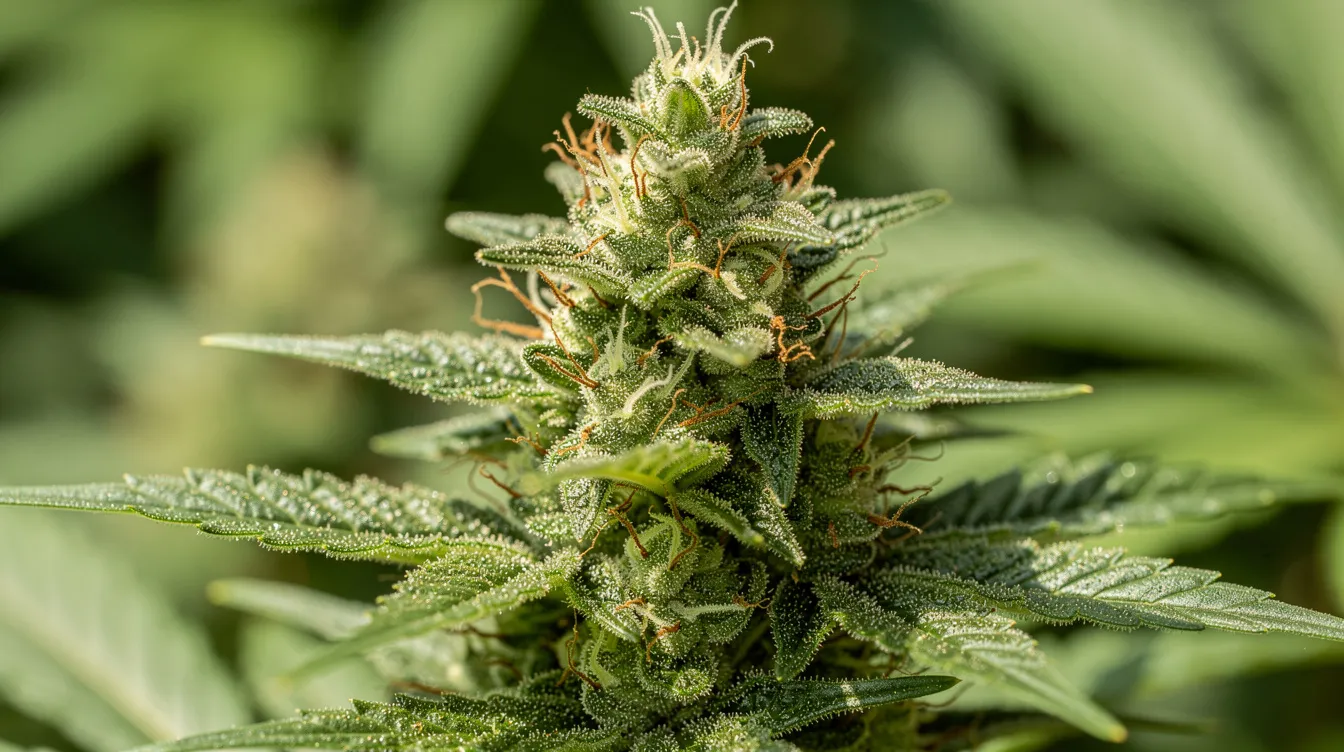
THCA, or tetrahydrocannabinolic acid, is the acidic precursor to THC and the primary cannabinoid found in raw cannabis and hemp plants. It exists naturally in the trichomes of living and freshly harvested flower, where the plant's enzymes produce it from earlier precursors like CBGA.
What makes raw THCA non-intoxicating is its carboxylic acid group (–COOH). This extra molecular bulk prevents it from fitting snugly into CB1 cannabinoid receptors in the brain, which means consuming THCA in its raw form does not produce psychoactive effects until it is heated and converted. THCA has a standard five-carbon alkyl side chain, the same length as Delta 9 THC, but that acid group changes everything about how it interacts with the body's endocannabinoid system.
When THCA is heated through smoking, vaping, or baking, it decarboxylates into Delta 9 THC. Because THCA and THC have different chemical structures, that loss of CO₂ is what shifts the molecule into its active form. The conversion follows a well-known factor: roughly 0.877 × THCA weight = resulting THC weight, since the molecule loses CO₂. A flower testing at 25% THCA would yield approximately 21.9% Delta 9 THC potential. In practice, heated THCA produces effects nearly identical to regular THC at roughly a 1:1 potency ratio.
THCA hemp flower in the current market is rich in THCA but remains federally legal as long as Delta 9 THC is under 0.3% by dry weight. THCA can be consumed raw for wellness benefits without intoxication. THCA offers wellness benefits without psychoactive effects in raw form, making it attractive to people who want potential anti-inflammatory support without a high, and some users specifically explore THCA for appetite stimulation as a natural, non-psychoactive way to boost hunger.
Common THCA products include:
THCP, or tetrahydrocannabiphorol, is a THC analog first identified in 2019 by Italian researchers analyzing Cannabis sativa strains. Unlike THCA, THCP is psychoactive without needing heat to activate, so it can produce effects immediately after consumption, making it immediately intoxicating in nearly any product format.
The key structural difference: THCP features a seven-carbon alkyl side chain, compared to the five-carbon chain in Delta 9 THC. This longer alkyl side chain lets the molecule slot more deeply into the hydrophobic pocket of CB1 receptors. In lab binding assays, THCP binds to CB1 receptors approximately 33 times more effectively than Delta 9 THC (Kᵢ ≈ 1.2 nM vs. ≈ 40 nM). THCP can be up to 33 times stronger than Delta 9 THC in receptor binding, though real-world psychoactive potency is generally described as roughly 5–10x stronger per milligram.
THCP occurs in trace amounts in the cannabis plant, with studies reporting just 0.0023–0.0136% by weight in detectable cannabis strains. It exists naturally only in very small quantities, so most commercial THCP is semi-synthesized from hemp-derived CBD or other cannabinoids through chemical conversion.
Common THCP product formats:
High-potency vapes and disposables
Potent gummies (often dosed in single-digit milligrams or fractions)
Blended products combining THCP with Delta 8, Delta 9, or THCA
Here is the snapshot comparison for readers searching THCA vs THCP or comparing THCA vs other cannabinoids. THCP and THCA are both cannabinoids found in the cannabis plant, but that's where the similarity ends.
Activation: THCA must be heated to become psychoactive (converting into Delta 9 THC). Unlike THCA, THCP is psychoactive as-is in nearly any format, no decarboxylation required.
Potency: Activated THCA behaves like regular THC. THCP is considered significantly stronger than Delta 9 THC, with most users reporting it feels multiple times more intense milligram for milligram due to stronger CB1 binding.
Availability: THCA is abundant in cannabis trichomes and easy to find as THCA hemp flower. THCP occurs naturally only in trace quantities, so it mainly appears in concentrated, manufactured products.
Use cases: THCA suits traditional smoking or vaping and raw wellness use. THCP targets experienced users seeking very strong psychoactive effects and deep relaxation.
|
Feature |
THCA (Raw) |
THCA (Heated) |
THCP |
|---|---|---|---|
|
Psychoactive? |
No |
Yes (becomes Delta 9 THC) |
Yes (immediately) |
|
Relative potency |
N/A |
≈ Delta 9 THC |
~5–10x Delta 9 THC |
|
Natural abundance |
20–30% in flower |
N/A |
<0.1% in plant |
|
Needs heat? |
No effect without heat |
Yes |
No |
|
Common format |
Flower, raw tinctures |
Smoked/vaped flower |
Vapes, gummies, blends |
Psychoactive effects vary by person, dose, and product, but there are consistent patterns when comparing THCA and THCP.
Raw THCA effects are essentially non-intoxicating. Raw THCA does not produce intoxicating effects until heated. Some users report subtle benefits like reduced inflammation or mild body comfort, but there is no euphoria or cognitive impairment. Think of it as a wellness supplement rather than a recreational product.
Heated THCA effects mirror the classic cannabis experience: euphoria, relaxation, increased appetite, altered perception of time and sound, and moderate anxiety risk at higher doses. When THCA converts into Delta 9 THC, consuming THCA this way is functionally identical to using traditional THC.
THCP effects are a different animal entirely. THCP produces potent euphoric effects that include heavier body load, amplified time distortion, more pronounced sensory changes, and intense euphoria. THCP effects can include deep relaxation and strong sedation, and THCP effects may last longer than traditional THC effects, often 6–8 hours for edibles. THCP can feel more intense and longer-lasting than THCA after activation.
That intensity cuts both ways. THCP's potency can lead to a higher risk of side effects like anxiety and dizziness, along with paranoia, excessive sedation, and next-day grogginess, particularly at higher doses. A 2025 case report documented psychosis and a suicide attempt in an individual who consumed approximately 8 mg of THCP.
This section compares effective strength relative to regular Delta 9 THC and offers practical dosing ranges.
When THCA decarboxylates, its potency is roughly equivalent to Delta 9 THC. For example, 10 mg of fully activated THCA delivers a perceived effect similar to 10 mg of Delta 9 THC for most users.
THCP's 33x CB1 binding does not mean 33x stronger in real life. THCP's increased receptor affinity does not guarantee a proportionally stronger effect in humans. Factors like bioavailability, metabolism, and receptor saturation all moderate the experience. In practice, many users report THCP feels about 5–10x stronger than Delta 9 THC at the same milligram dose, making THCP stronger than most people expect but not as extreme as the lab numbers suggest.
Dosing guidance for adults:
|
Cannabinoid |
Beginner Edible Dose |
Experienced Dose |
|---|---|---|
|
Delta 9 THC / Activated THCA |
2.5–5 mg |
10–25 mg |
|
THCP |
0.25–0.5 mg |
1–2 mg |
Start low, go slow. Wait at least 90 minutes before redosing THCP edibles, or 20–30 minutes for inhaled products. THCP's effect buildup can surprise even experienced cannabis enthusiasts.
How THCA and THCP differ in daily-life compatibility matters for anyone balancing cannabis use with responsibilities.
Raw THCA in juice, tinctures, or cold preparations is typically compatible with daytime use. It does not impair cognition or motor skills, making it a practical option for people seeking potential therapeutic benefits during work hours.
Moderate doses of heated THCA (Delta 9 THC) can suit evening relaxation or low-stress activities but will impair driving and complex tasks. This is the familiar euphoric THC experience most cannabis consumers already know.
THCP, even at low doses, can strongly affect reaction time, coordination, and mental clarity. It is inappropriate before driving, operating machinery, or handling important tasks. Treat THCP like a nighttime or special-occasion cannabinoid rather than something to microdose casually on work days, unless you're highly experienced and careful with dosing or are comparing THC syrups vs HHC syrups vs THCP syrups for different effect profiles.

Research on THCA and especially THCP is still emerging. Nothing here should be treated as medical advice. That said, both cannabinoids show promise for various therapeutic effects.
Activated THCA (Delta 9 THC) may support pain relief, muscle relaxation, improved sleep onset, and stress reduction, consistent with traditional cannabis medical uses. THCA may help with pain relief when heated and converted to THC. THCA is generally more studied than THCP, giving it a more established safety profile.
Raw THCA is being studied for anti-inflammatory, neuroprotective, and anti-nausea potential. THCA may possess anti-inflammatory and neuroprotective properties, appealing to wellness users who want benefits without psychoactive effects. THCA can support general wellness without psychoactive effects.
THCP's stronger activity at the body's cannabinoid receptors may make it attractive for severe pain, stubborn insomnia, or high-tolerance users who no longer respond well to regular THC. THCP's receptor binding may lead to greater therapeutic interest in pain and inflammation. THCP may provide deeper and longer-lasting pain relief, and THCP is recommended for severe nighttime pain or restlessness.
Stronger is not always better. Higher potency increases side effects, anxiety risk, and functional impairment. Experienced users with high tolerance are the primary audience for THCP's potential therapeutic benefits.
Both cannabinoids exist in a complex legal landscape shaped by the 2018 Farm Bill and fast-moving state regulations.
Federally, hemp-derived cannabinoids are legal if they contain no more than 0.3% Delta 9 THC by dry weight. THCA products are legal under the 2018 Farm Bill if they stay below that threshold, which allows high-THCA flower to be sold as legal hemp. THCP is federally legal if derived from hemp with less than 0.3% THC.
However, some states treat THCP and THCA as equivalent to THC once "potential THC" or "total psychoactive cannabinoids" are calculated. This effectively bans or limits THCA flower even if it qualifies as hemp on paper. State laws on THCP and THCA vary widely across the U.S., and some states restrict THCP and THCA despite federal legality. Anyone using these cannabinoids should also understand Delta 9 THC legality by state in 2025 to see how broader cannabis rules may impact hemp-derived products.
THCP is not explicitly named in federal law but is increasingly targeted by state-level rules that restrict intoxicating hemp cannabinoids alongside Delta 8 and other cannabinoids. Additionally, Public Law 119-37 (passed November 2025) excludes synthesized cannabinoids from the definition of hemp, with an enforcement deadline of November 12, 2026. After that date, many states and federal authorities may treat THCP products as Schedule I controlled substances.
Always check your specific state laws before ordering THCA or THCP online or traveling across state lines. What's legal today may not be tomorrow.
Anyone subject to workplace or legal drug testing matters should assume risk with both THCA and THCP products.
When heated THCA is converted to Delta 9 THC, the body produces the same THC-COOH metabolites that standard drug tests target. A positive result is virtually guaranteed for regular users.
THCP is metabolized via similar liver pathways (CYP450 enzymes, including CYP2C9 and CYP3A4), producing THC metabolites that will likely trigger a positive result on most drug tests. Tests generally do not distinguish between Delta 9 THC, THCP, or THCA sources. The drug test risk is real: "hemp-derived" or "federally legal" does not protect against a failed test.
Approximate detection windows:
Exact timelines vary by body fat, hydration, metabolic rate, and consumption method. If passing a standard drug test matters for your job or legal situation, neither THCA flower (smoked) nor THCP products are safe bets.
This section is for readers actively deciding which cannabinoid suits them. Comparing THCA and THCP comes down to experience level, tolerance, and goals.
Choose THCA (and THCA flower) if you are:
Choose THCP if you are:
If you're unsure, begin with THCA or regular THC products, build your tolerance awareness, and only then consider stepping up to low-dose THCP.
Combining THCA and THCP in blended vapes or gummies can amplify psychoactive effects significantly. Approach these blends with extra caution and use lower doses of each.
Harm reduction is essential for both cannabinoids, especially the extremely potent THCP.
Common side effects to watch for with heated THCA and THCP:
Safety rules:
Product quality checks:
These FAQs cover common THCA vs THCP questions not fully addressed above.
Yes. Once THCA is heated, it essentially becomes Delta 9 THC, which is still significantly weaker per milligram than THCP for most users. Many people experience THCP as 5–10x stronger than an equivalent dose of Delta 9 THC or activated THCA, so even after decarboxylation, THCP remains the more potent cannabinoid.
Most people do not feel "high" from raw THCA, but some report subtle benefits like reduced inflammation, mild body comfort, or general wellness support. These effects are typically gentle and non-intoxicating compared with heated THCA or THCP. Raw cannabis juice or cold-pressed tinctures are the most common ways to consume raw THCA for these purposes.
Some advanced users do microdose THCP at ultra-low levels (around 0.1–0.25 mg), but this requires accurately labeled products and careful titration. Most newcomers should first learn their response to lower-potency cannabinoids like Delta 9 THC before experimenting with THCP microdosing. Inaccurate labeling on THCP products makes this riskier than it sounds.
Safety depends on cultivation and testing practices, not the THCA label. Both THCA flower and traditional cannabis flower can contain pesticides, heavy metals, or microbial contaminants if poorly produced. Focus on reputable sources with third-party lab tests rather than assuming THCA flower is automatically a cleaner product.
Almost certainly. Several proposals and state actions between 2024 and 2026 have already tightened rules on intoxicating hemp products, including THCA and THCP. The federal enforcement deadline for synthesized cannabinoids under Public Law 119-37 is November 12, 2026, which could reclassify many THCP products. Periodically review updated state and federal guidance, as regulations around hemp-derived psychoactive cannabinoids are likely to keep evolving.
